5 Care Tips and Displaying Your Vintage Items
The Joy of Vintage Collecting
Every vintage piece tells a story (you know I love a good story) —of the hands that crafted it, the homes it graced, and the moments it witnessed. Whether discovered at thrift stores, flea markets, yard sales, estate sales, antique shops, or found through estate selling in a small town, vintage items carry sentimental value and the value of the history of bygone eras. Today, let’s explore my 5 Care Tips and Displaying Your Vintage Items in a bit of detail.
Vintage collecting is about more than decorating; it’s about preserving antique items and vintage collections with proper care so they can be enjoyed by future generations.
Now I know, ‘nobody in my family wants my old stuff’. But hold on just a second. That trend is changing. The next generation has a renewed love of old items. For one, they buy into the recycle factor, and two, it’s just plain trendy right now.
Back to my thought.
Bringing vintage pieces into your large house — or any home — carries a quiet responsibility. With great care, careful handling, and regular inspection, your collected pieces can avoid long-term damage and remain valuable items for years to come. (or your family’s).
When you understand proper care and thoughtful display today, your home becomes layered, meaningful, and timeless.
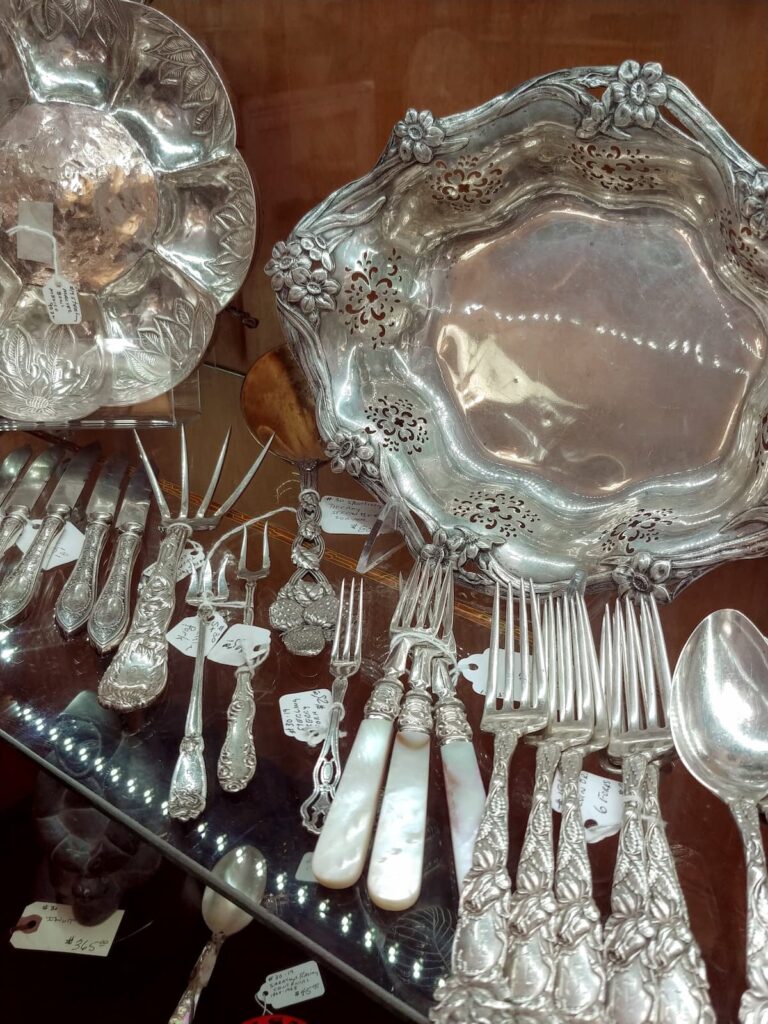
Care Tips for Displaying Your Vintage Items
1. Understand the Materials
Diving right in, the first step in the 5 Care Tips and Displaying Your Vintage Items is understanding what you have acquired. Before cleaning or restoring anything, identify what you have.
Antique furniture, vintage jewelry, vintage clothing, vintage books, vintage toys, vintage memorabilia, decorative antiques, white transferware pitches, beautiful collections of plates, and smaller items all require special care in various forms.
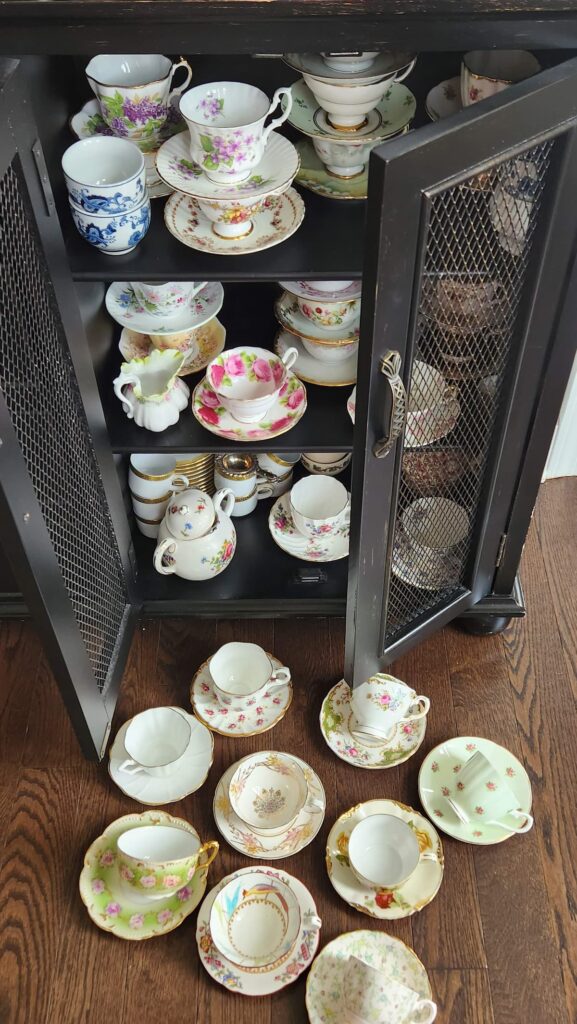
Sensitive items and high-value items especially deserve careful handling. Knowing the difference between similar items ensures you’re moving in the right direction and avoiding a lot of problems later.
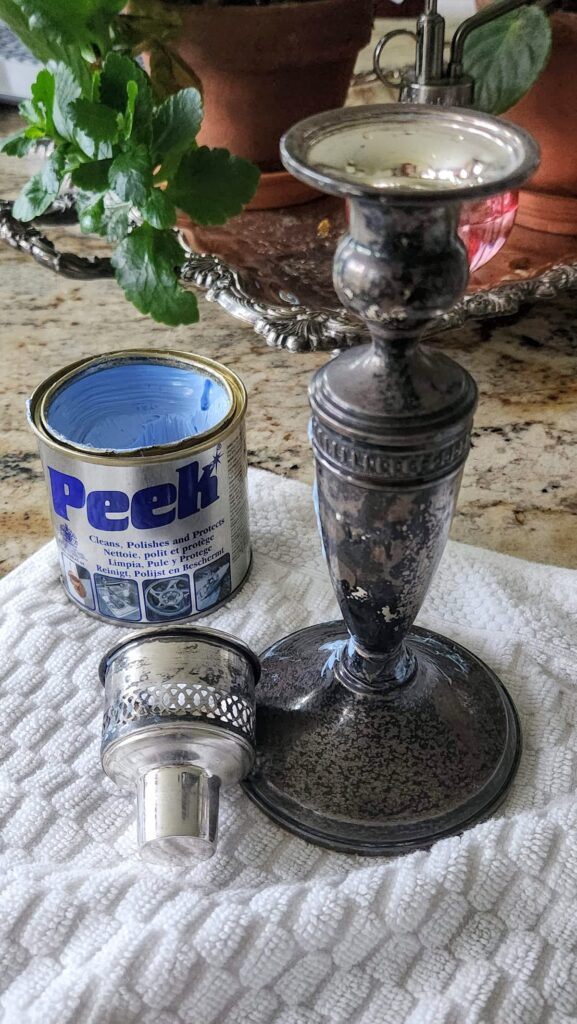
2. Clean Gently and Thoughtfully
Regular cleaning is the best way to preserve vintage items without causing damage.
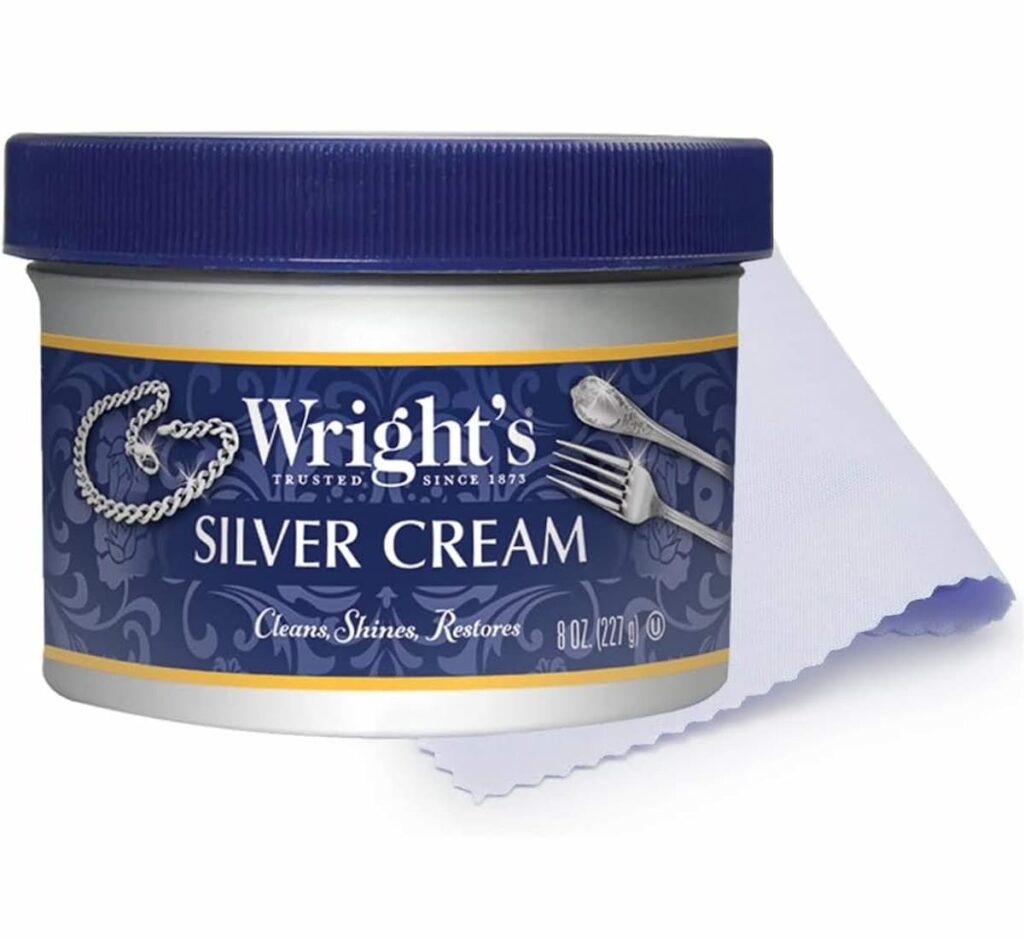
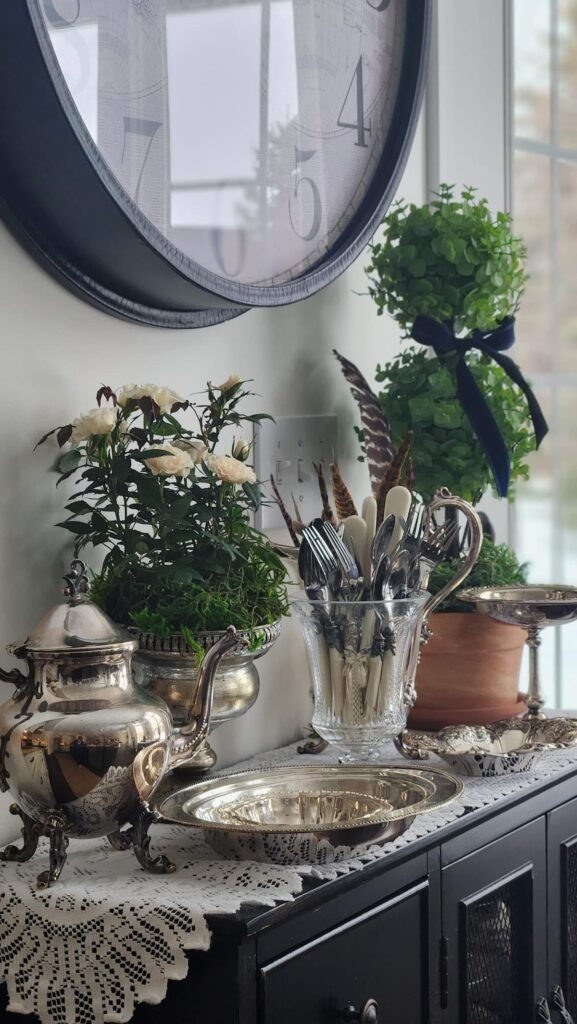
There is something so satisfying and therapeutic about polishing my silver pieces. I love it.
Avoid harsh chemicals and high temperatures. Instead, use a soft cloth, a lint-free cloth, a damp cloth, or a soft brush, depending on the surface. For delicate pieces, distilled water is often the best solution.
Antique furniture can be wiped with a slightly damp cloth and dried with a soft cloth. Vintage jewelry and smaller items should be handled gently. Wool and fabrics, vintage clothing, and textiles benefit from mild detergents and air drying at room temperature.
Gentle cleaning protects both the beauty and the value of your antique collections. Plus it just feel good to clean them up.
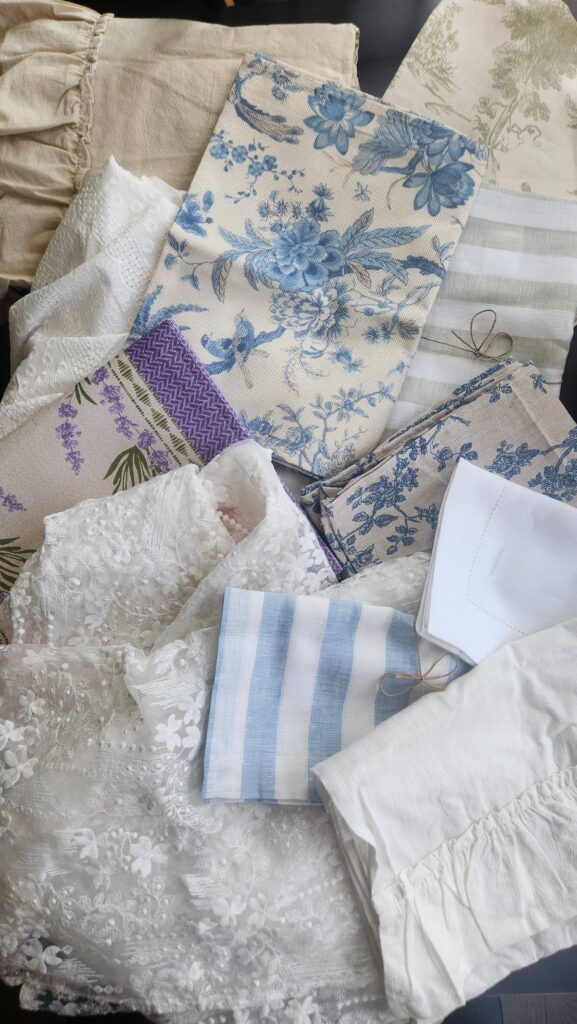
3. Store Vintage Pieces Properly
Proper storage is essential to maintaining vintage treasure collections.
Keep items away from direct sunlight and avoid exposure to high temperatures. Maintaining stable temperature, constant temperature, and balanced humidity levels creates a stable environment that protects against long-term damage.
This is especially true with oil paintings and art pieces.
Low-humidity environments are also especially important for paper goods and vintage books. Wrap fragile pieces in acid-free paper or tissue paper. For seldom-used items or larger vintage collections, explore storage options such as humidity-controlled storage spaces or secure storage units. A vintage storage unit with controlled humidity levels can be the best solution for high-value items.
Proper storage protects your favorite pieces for future generations.
4. Protect from Everyday Damage
Small precautions go a long way in preserving vintage treasures.
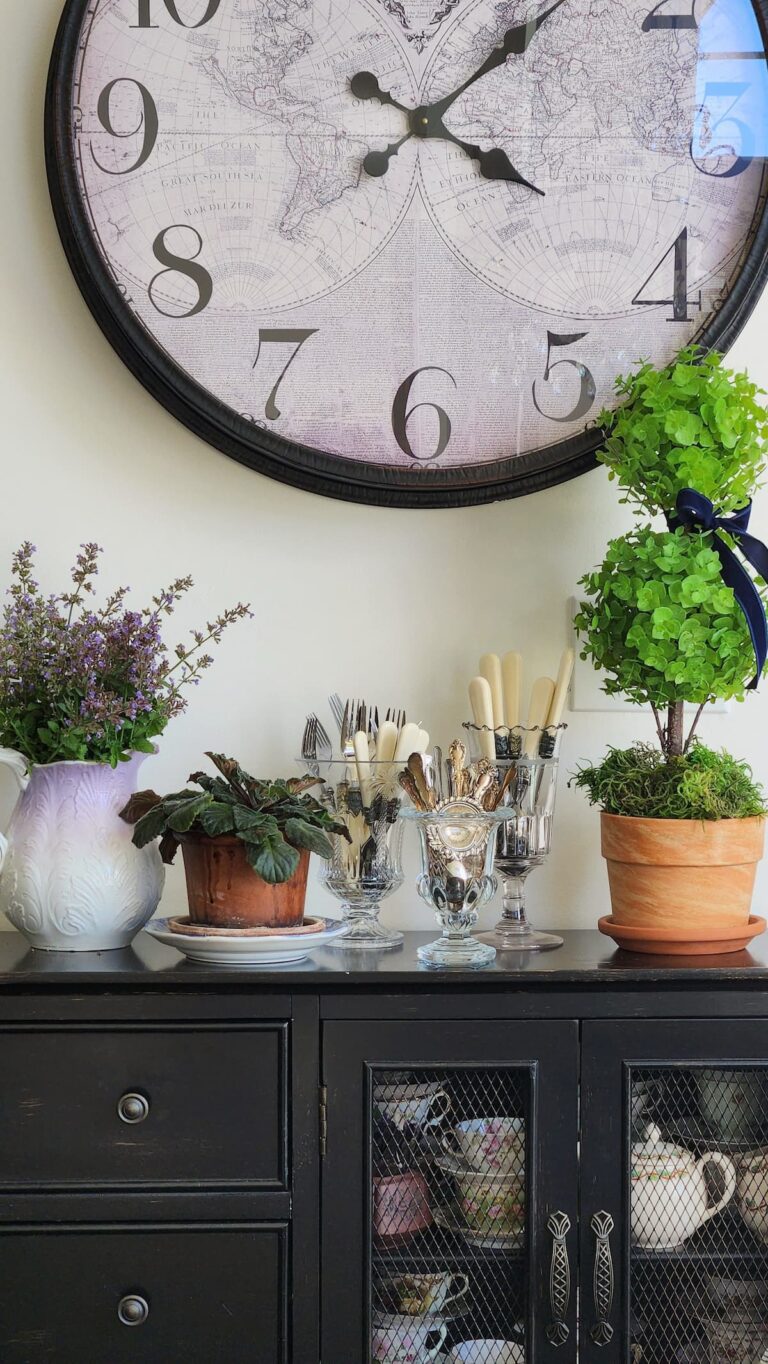
Place items in a safe place away from heavy traffic. Use felt pads beneath decorative antiques displayed on a kitchen island or sideboard. Ensure easy access without overcrowding.
These simple habits are part of proper care and essential when thinking about Care Tips and Displaying Your Vintage Items for future generations.
5. Regular Inspection
Regular inspection prevents a lot of things from becoming larger problems. A stable environment protects against cracking, fading, or warping.
With proper care and special care, even fragile collected pieces can remain beautiful for decades.
Displaying Your Vintage Items with Intention
Displaying vintage items is one of my favorite ways to bring warmth into a home. Whether your pieces are thrift store finds, fabulous budget-friendly thrifting tips discoveries, or treasures from flea markets and yard sales, there are plenty of ways to create stunning displays.
Here’s a great read on How to Display Memorabilia & Collections Without Looking Cluttered.
Create Meaningful Vignettes
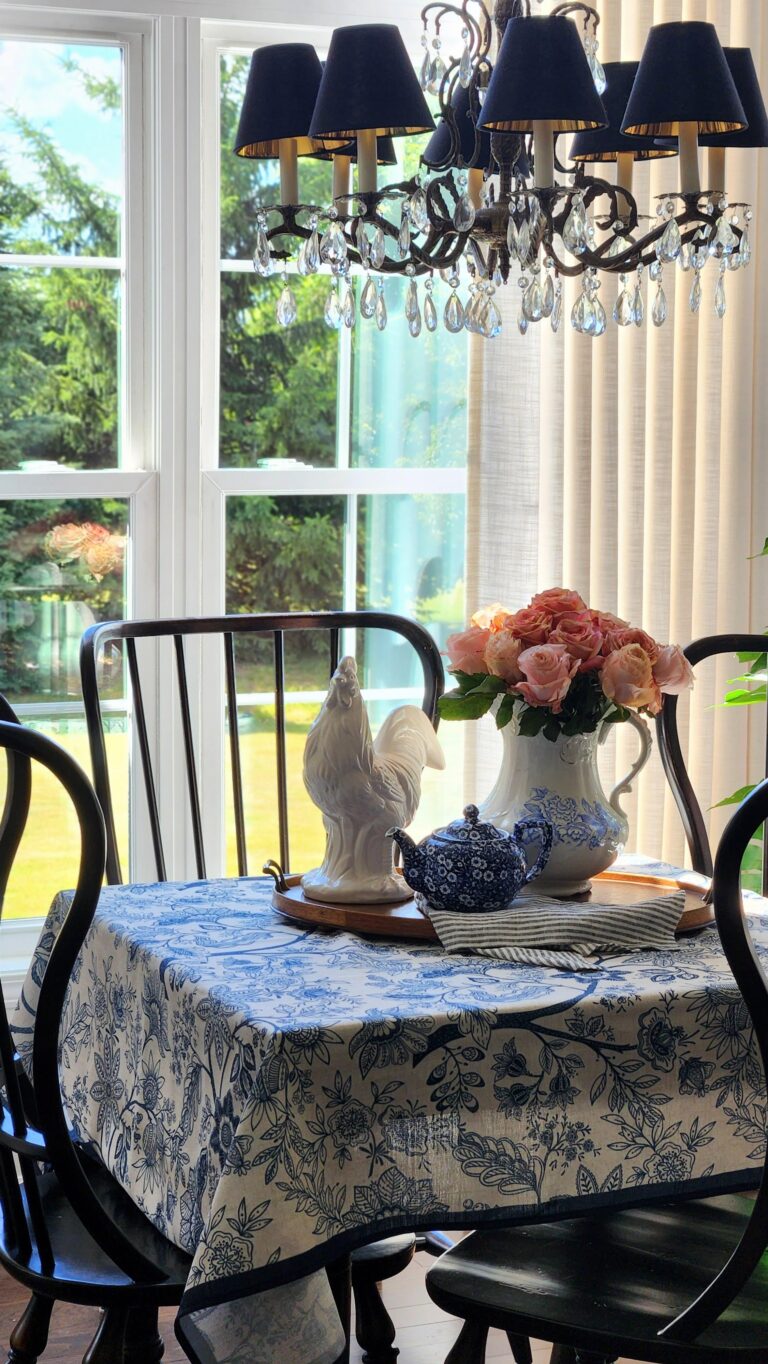
Group similar items together for a lovely display. Antique collections arranged by color or era create a perfect spot for storytelling. A pretty table setting featuring decorative antiques, beautiful collections of plates, or white transferware pitchers creates a focal point.
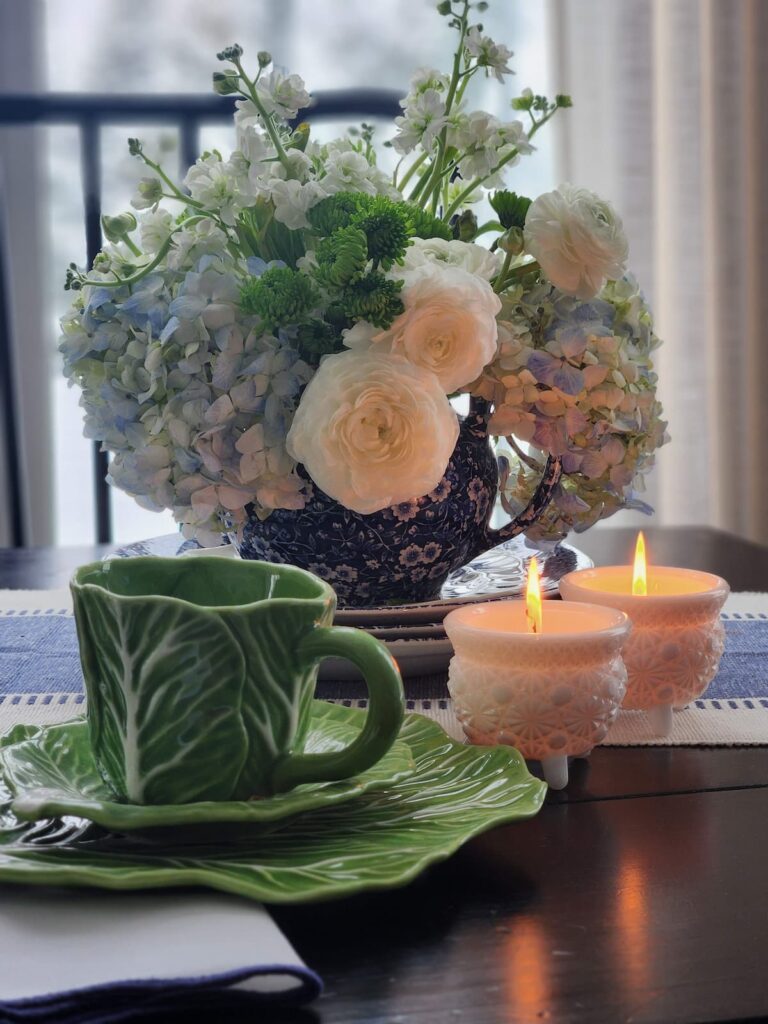
Vintage jewelry displayed in a separate section, vintage books stacked neatly, or vintage toys arranged safely all add character.
Leave Breathing Room
The perfect way to showcase vintage collections is to avoid crowding. Give each piece space. Smaller items and collected pieces shine when thoughtfully arranged.
A separate section dedicated to vintage memorabilia or high-value items keeps them protected while still allowing display today.
Rotate Displays Seasonally
Rotating vintage pieces protects them from direct sunlight and fluctuating humidity levels. This simple practice preserves both sentimental value and structural integrity.
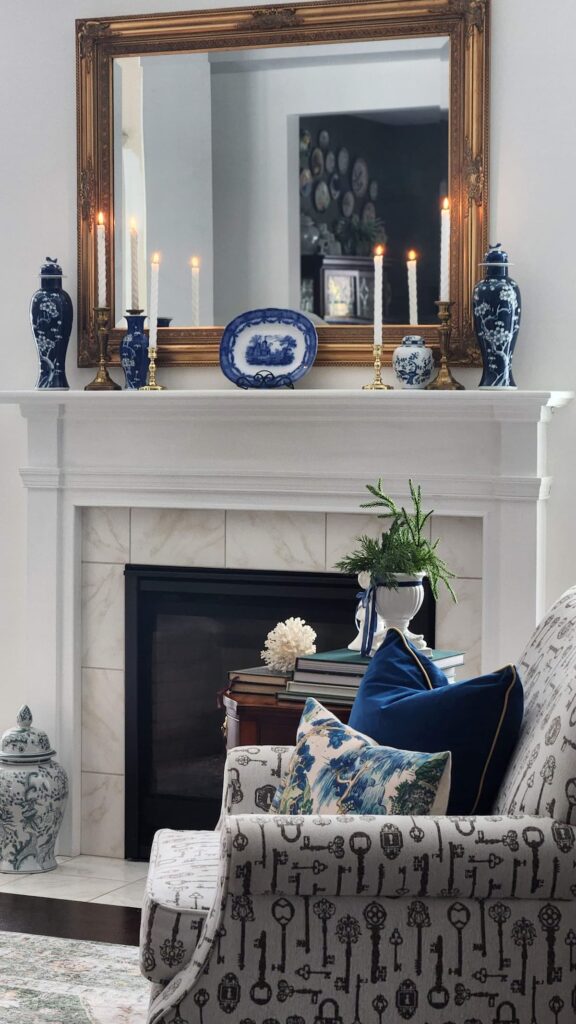
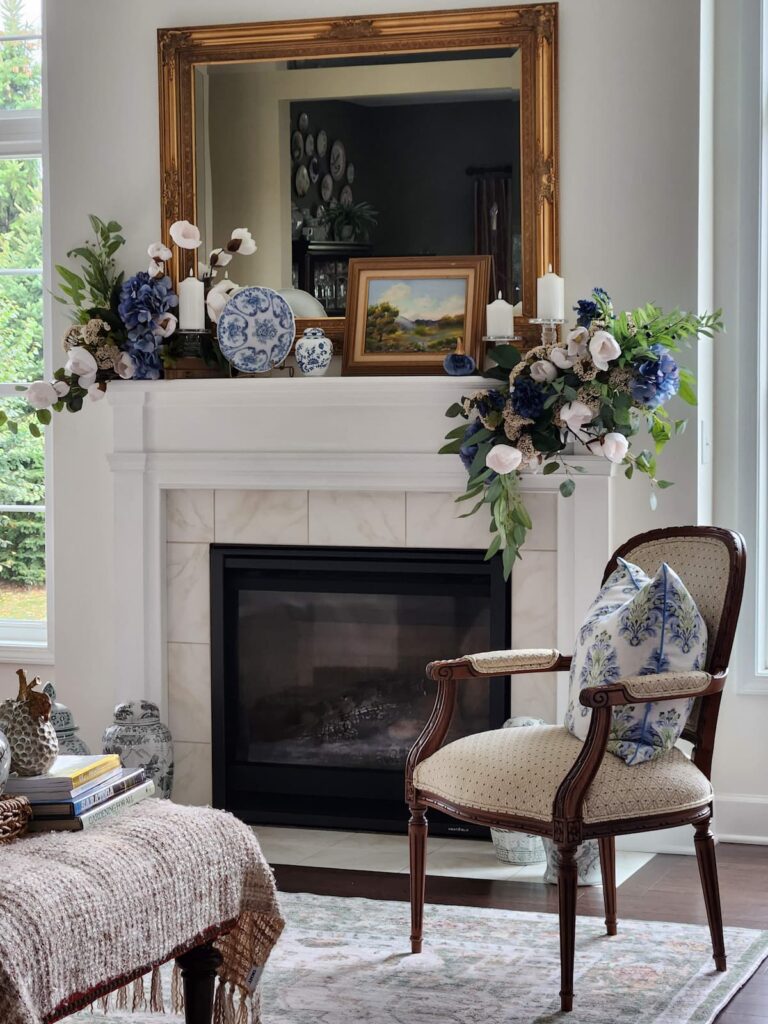
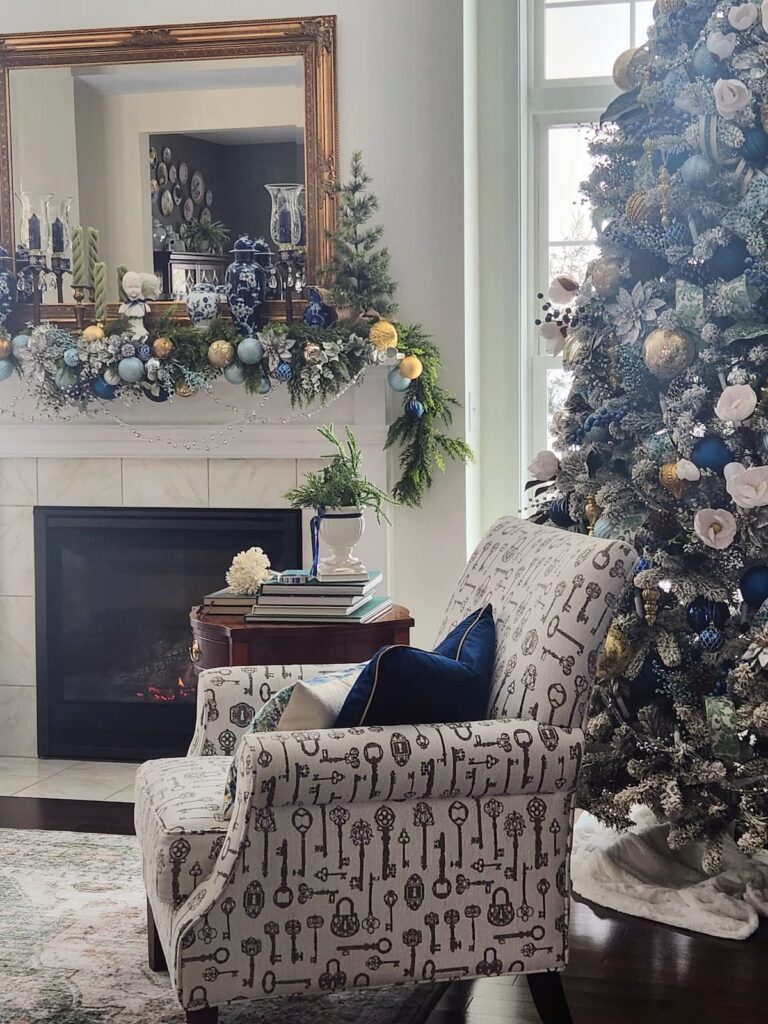
It’s one of my best tips for maintaining antique collections long-term.
Use Vintage Pieces Functionally
Vintage décor doesn’t have to sit untouched.
Serve tea in antique cups. Layer vintage clothing textiles into a tablescape. Use collected pieces in everyday life.
This is often my favorite thing about vintage collecting — blending beauty with purpose, which is exactly why I love sharing care tips and displaying your vintage items so they can be enjoyed daily, not just admired from afar.
A Living Collection
Whether your background is in the nursing field, a previous job in estate selling, or simply a love for thrift stores and antique shops, caring for vintage items is about honoring history.
From the largest collections to a single pin button, from high-value items to simple thrift store finds, each piece deserves proper care.
At the end of this post, remember this: preserving vintage items requires regular cleaning, proper storage, careful handling, and a stable environment. I hope my 5 Care Tips and Displaying Your Vintage Items gave you some inspiration to collect items, care for them, and enjoy them in your home.
If you are inspired, you may check out my vintage shop here.

Frequently Asked Questions: Final Thought on 5 Care Tips and Displaying Your Vintage Items
1. What is the best way to care for vintage items?
The best way to care for vintage items is through gentle cleaning, proper storage, and regular inspection. Avoid harsh chemicals, direct sunlight, and high temperatures. Use a soft cloth or lint-free cloth for dusting, and maintain stable temperature and humidity levels to prevent long-term damage.
2. How should I store vintage pieces to prevent damage?
Proper storage is essential for protecting antique items and vintage collections. Keep pieces in a safe place away from direct sunlight and fluctuating humidity levels. Use acid-free paper or tissue paper for wrapping fragile items, and consider humidity-controlled storage spaces or storage units for high-value items and seldom-used items.
3. Can I display vintage items without damaging them?
Yes, displaying vintage items is completely safe when done thoughtfully. Choose a perfect spot with easy access but minimal exposure to heat and light. Rotate displays seasonally, avoid overcrowding smaller items, and perform regular inspection to catch early signs of wear.
4. How do I clean antique furniture and delicate vintage décor?
Antique furniture should be dusted regularly with a soft cloth or damp cloth and cleaned without harsh chemicals. For sensitive items like vintage jewelry, vintage books, or decorative antiques, use distilled water when necessary and handle with special care to protect their sentimental value and preserve them for future generations.