Collected Home Style: How to Create Rooms with Grace
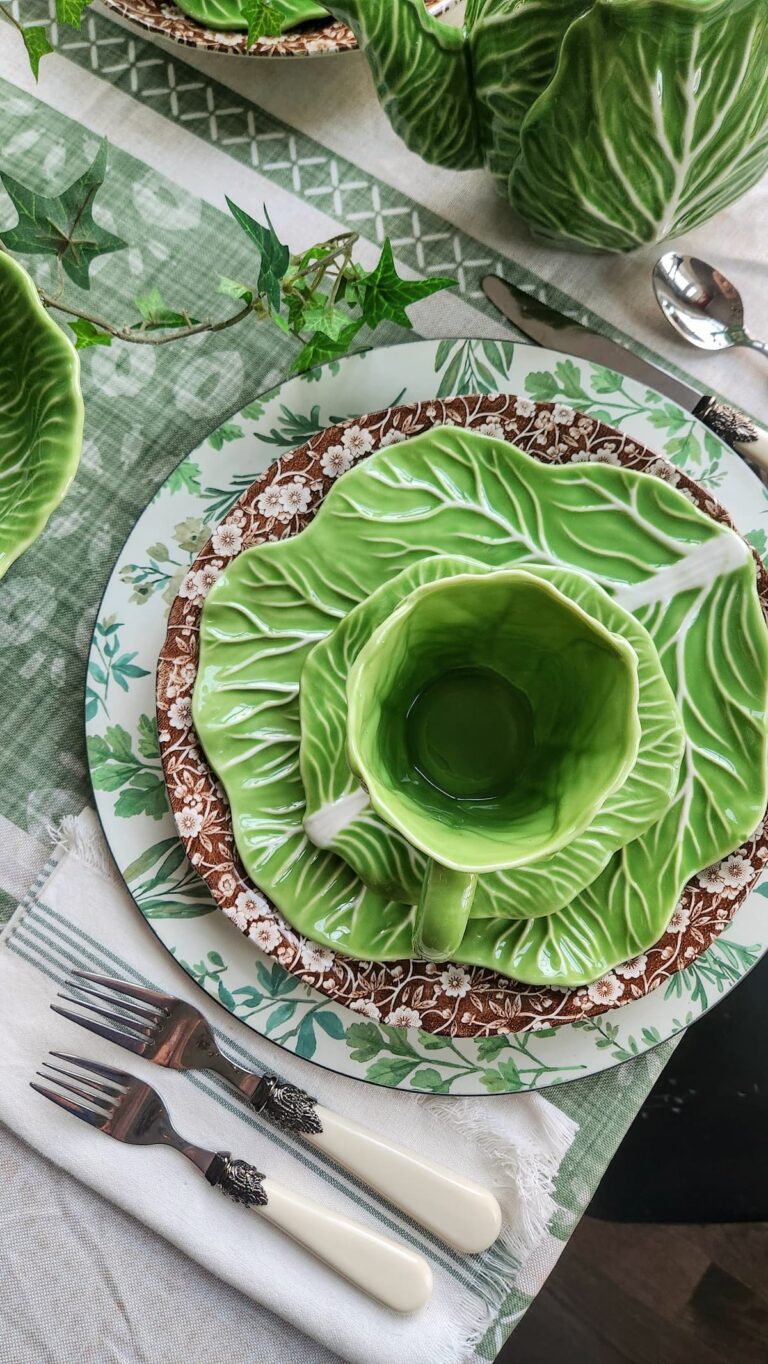
If you’ve ever looked around your home and thought, I want this to feel more like me, this post is for you. Collected home style isn’t about perfection, price tags, or perfectly coordinated rooms — it’s about creating spaces with grace, warmth, and meaning over time.
In this post, I’m walking you through the heart behind a truly collected home — how to begin with what you already own, how to mix eras with confidence, how to thrift and gather with intention, and how to let go of matching in favor of character. These are the quiet shifts that transform a house into something layered, soulful, and deeply personal.
Let’s create a home that feels gathered… not staged. Timeless… not trendy. Yours… not copied.
But how do you actually do it?
Here’s the practical guide to creating a collected home that feels lived-in, warm, and entirely yours—one that showcases your collection of beloved hand-selected items gathered over a period of time.
🏛️ Step 1: Start With What You Already Have
Before you buy anything new (or vintage), take inventory of your own home.
Walk through your home and ask:
- What do I love but have hidden away?
- What has a story I want to remember?
- What feels special, even if it doesn’t “match”?
Action step: Pull out one meaningful object you’ve been storing—a grandmother’s teacup, family heirlooms, a souvenir from a trip, a thrifted vase—and give it a place of honor. Display it where you’ll see it daily for a lovely, collected home style.
This is the foundation of a collected home: using what you love, not what you think you’re supposed to have. It’s about individual comfort and creating a space that reflects your favorite things.
🎨 Step 2: Collected Home Styles Means: Mix Eras and Styles (Without Overthinking It)
The secret to mixing old and new? There are no rules.
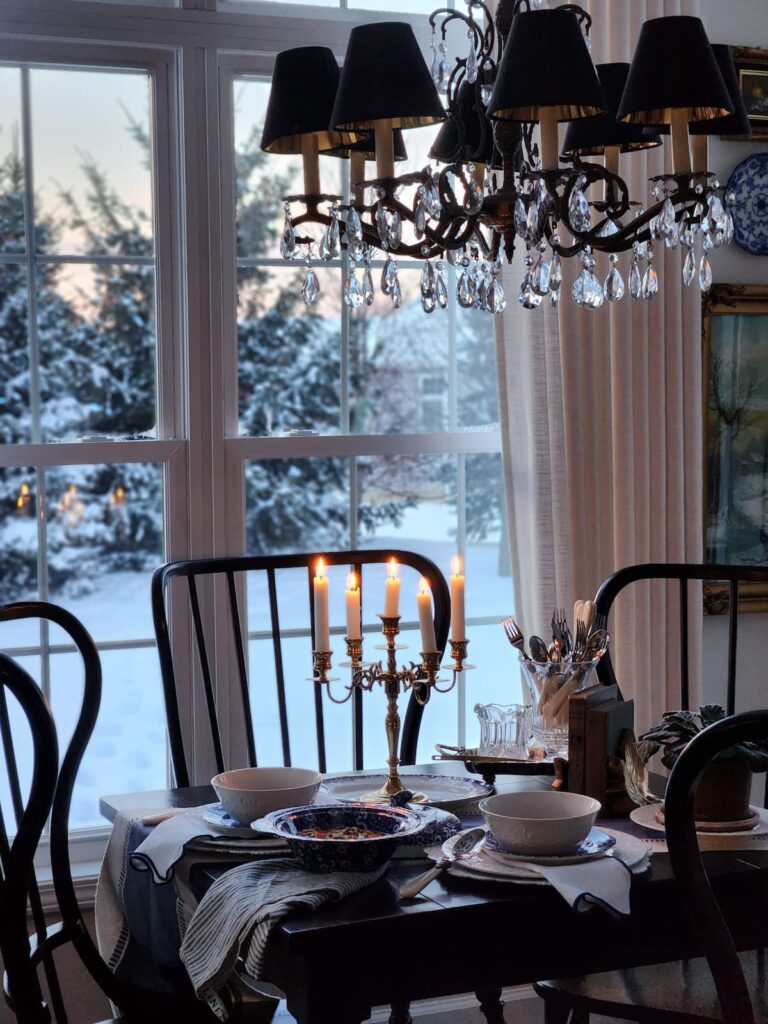
A French antique bowl can sit next to a modern linen napkin. A vintage piece like a brass candlestick looks beautiful on a sleek contemporary table. Your grandmother’s quilt can drape over a minimalist sofa. This mix of styles creates an interesting home with timeless style.
The key is contrast, not coordination. Acclaimed designers like Darryl Carter have championed this approach to new traditional design, showing how different styles and antique pieces can coexist beautifully with modern elements.
Try this:
- Pair one vintage item with something modern in the same vignette
- Mix textures: smooth glass with rough wood, shiny metal with soft fabric
- Let patina and imperfection be part of the charm—don’t try to make everything look “new”
- Create visual balance by distributing old and new pieces throughout the room
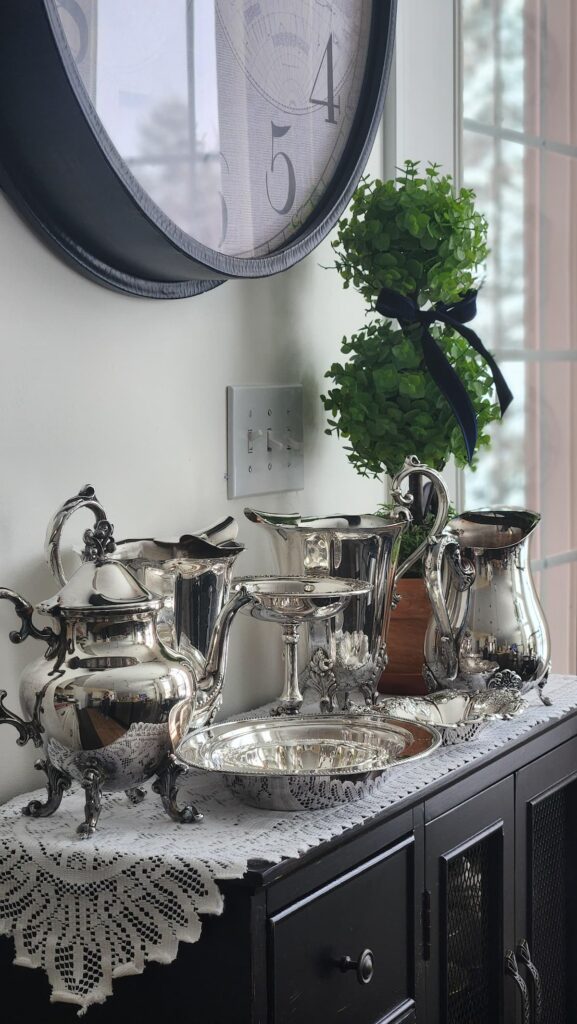
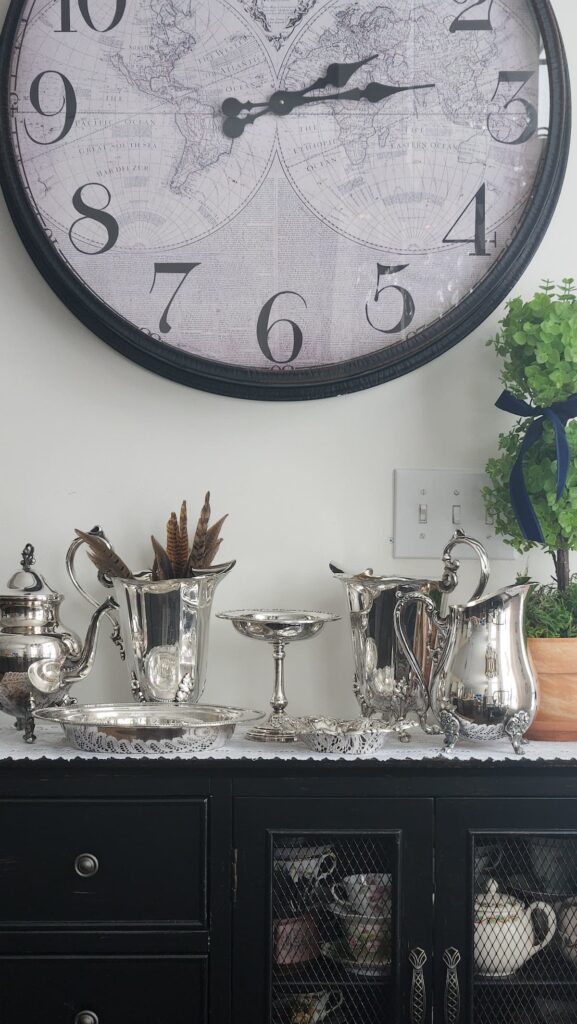
Example: A vintage silver tray (tarnished is fine!) holding a modern candle and a small plant on a console table. Done. You’re on your way to the perfect collected home style.
☕ Step 3: Build Small Rituals Around Your Objects
A collected home isn’t just about how things look—it’s about how you use them. This is one of the easiest ways to make your space feel truly lived-in.
Ideas to try:
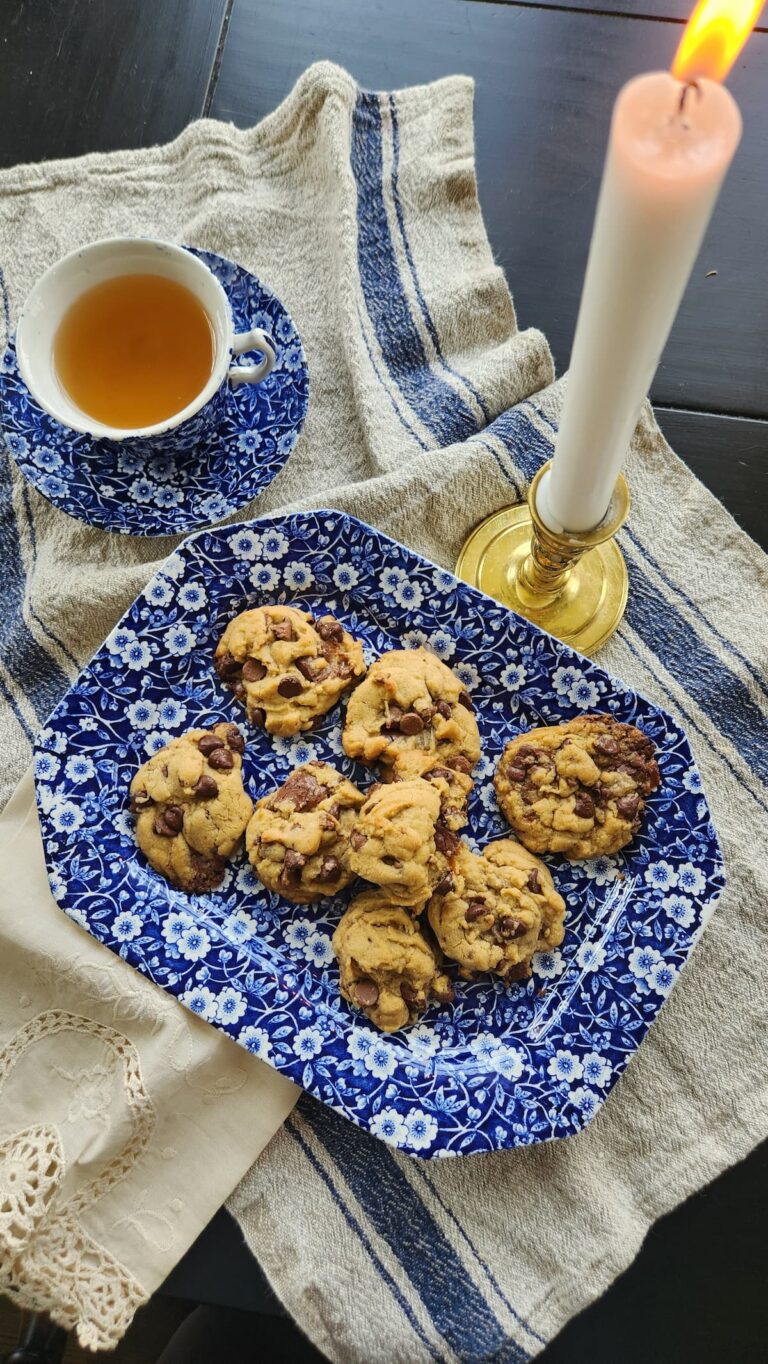
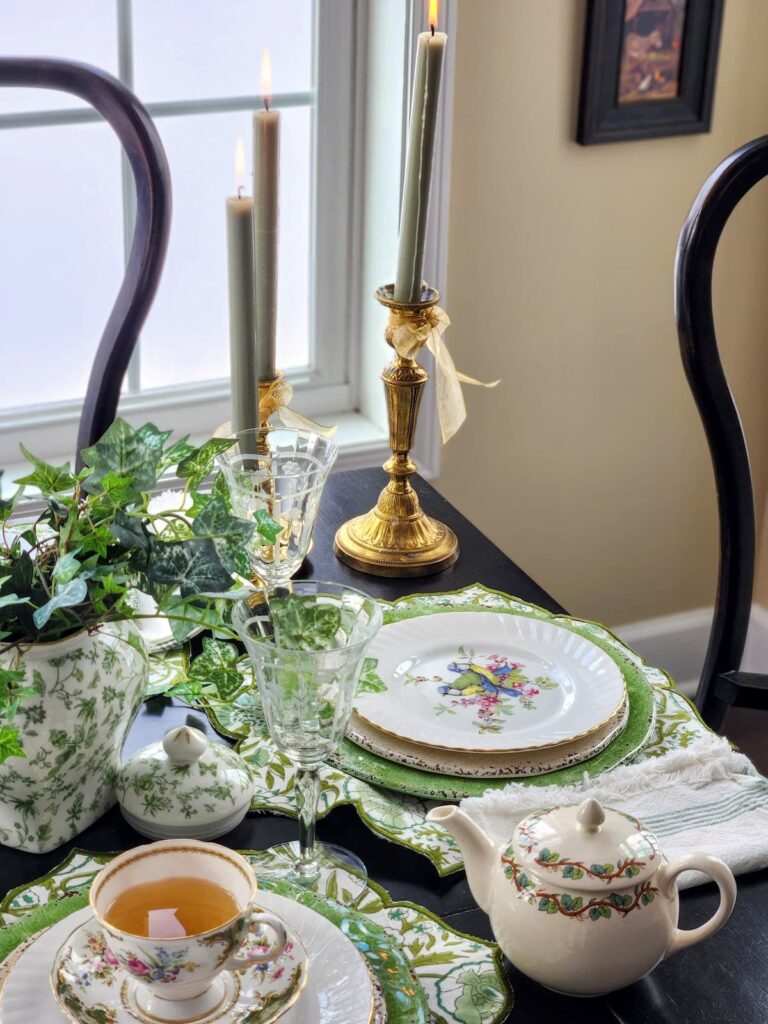
- Tea time: Use your favorite vintage teacup daily, not just for guests (check out my Vintage Blossom tea blend here)
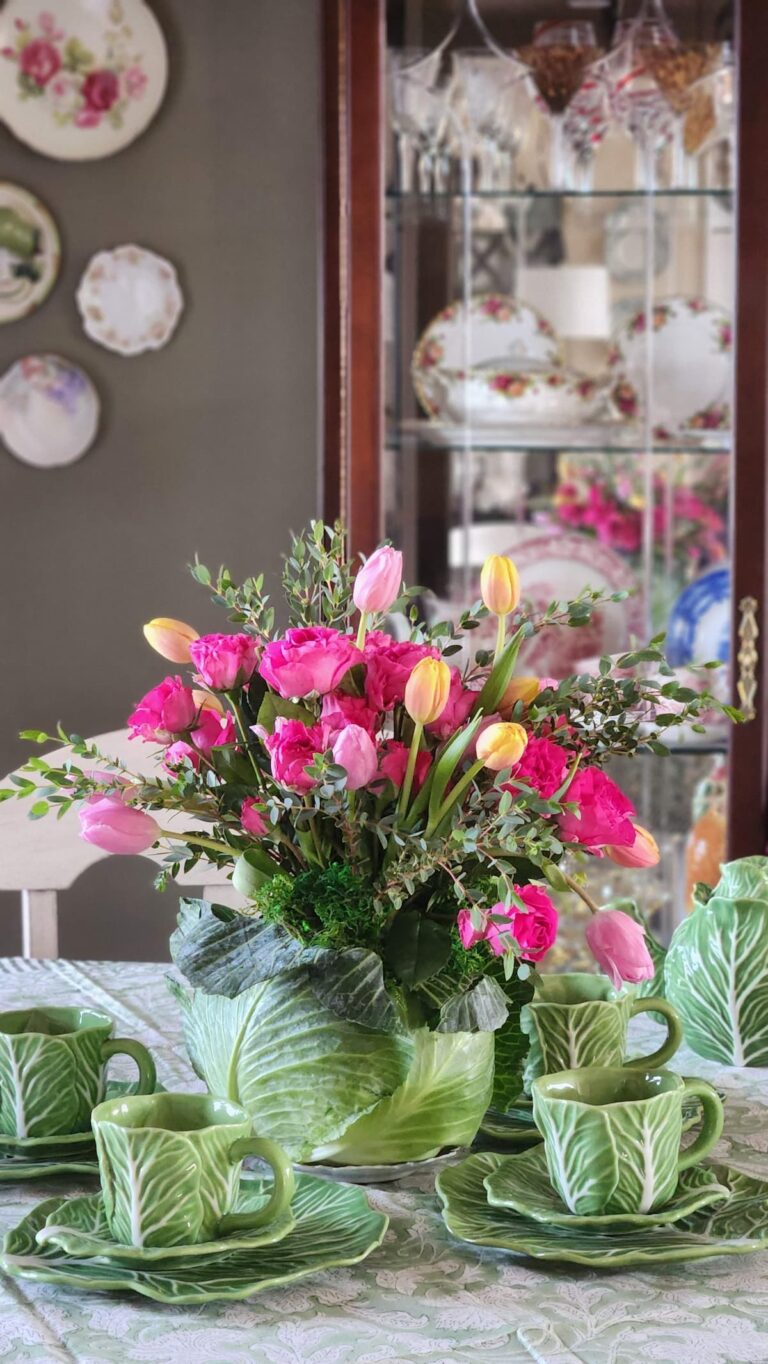
- Fresh flowers: Keep a rotation of simple stems in thrifted vases or jars
- Simmer pots: Fill your home with scent using citrus peels, cinnamon, and herbs in a vintage pot on the stove
- Candlelight: Light candles in mismatched holders every evening, even if you’re alone
- Seasonal swaps: Rotate objects seasonally—a bowl of pinecones in winter, seashells in summer
These rituals make your home feel alive, not staged. They’re part of your long-term goals for creating a meaningful home style.
🛍️ Step 4: Thrift and Collect With Intention
Not every vintage find needs to come home with you. Whether you’re browsing thrift stores, flea markets, antique shops, or home decor stores, shop with intention.
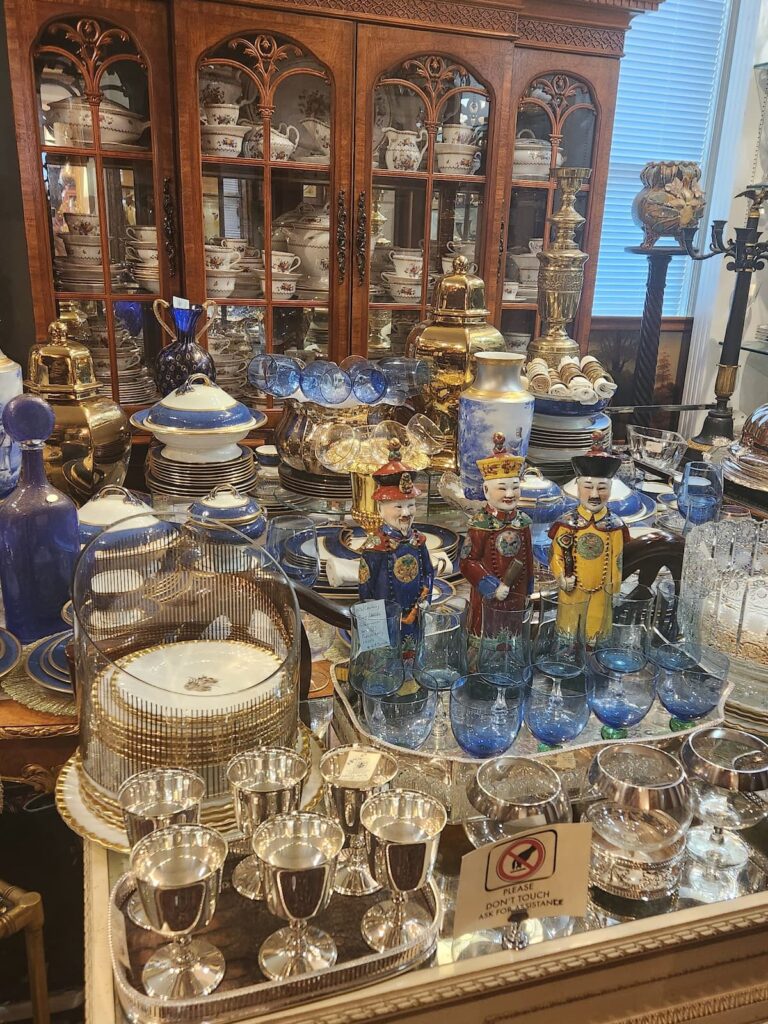
Before you buy, ask:
- Do I love this, or do I just think it’s a good deal?
- Where will it live in my home?
- Does it tell a story I want to be part of?
- Can I find a new use for this piece?
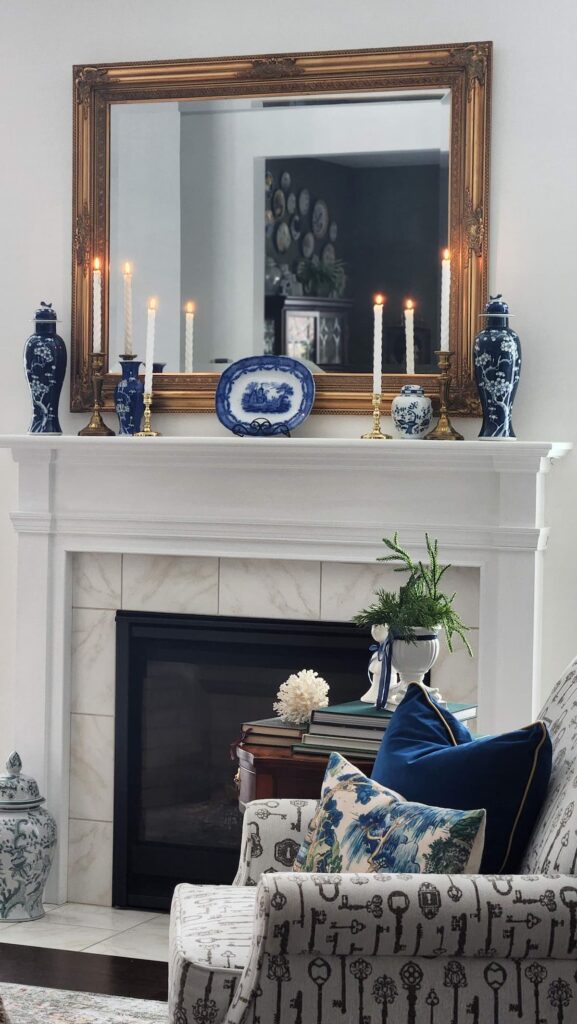
What to look for when thrifting:
- Pieces with beautiful patina (tarnish, wear, age marks)
- Unique shapes or details you won’t find anywhere else
- Functional items you’ll actually use: bowls, trays, linens, glassware
- Objects that spark joy or curiosity
- Multipurpose furniture that can adapt to different needs
- Wicker baskets for storage and texture
- Unexpected objects from different regions or different places
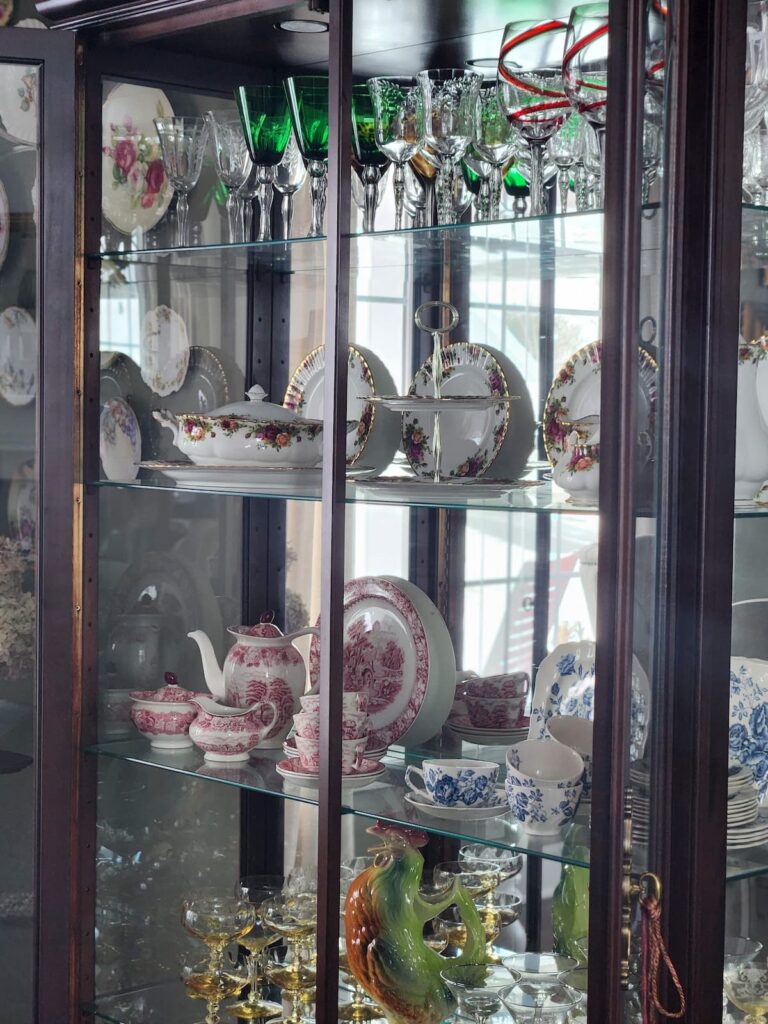
Pro tip: Collect in categories over time. Maybe you’re drawn to brass candlesticks, or blue-and-white ceramics, or vintage linens. Let your collection grow slowly and organically. If you’re shopping for the first time, start with one category that speaks to you.
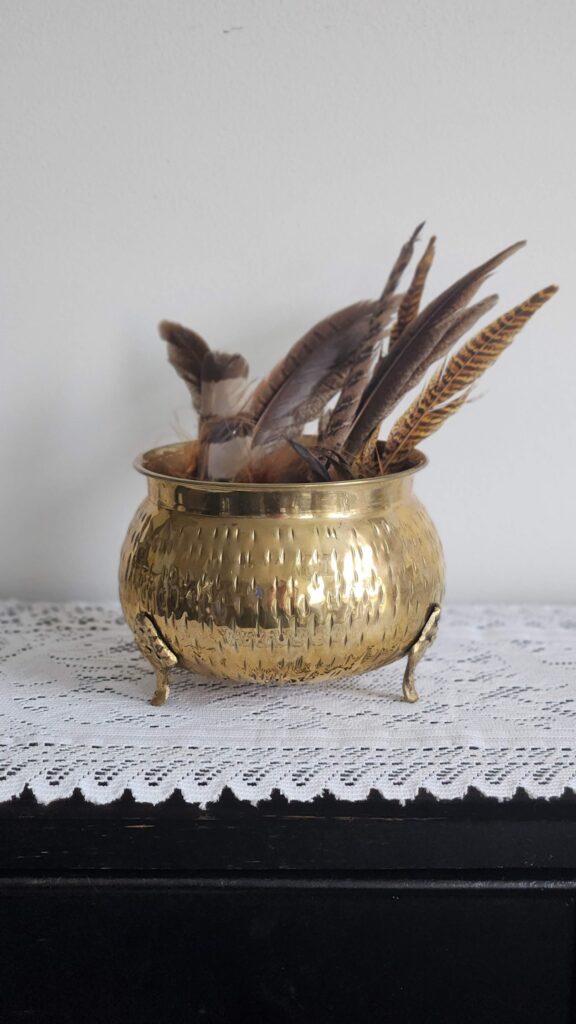
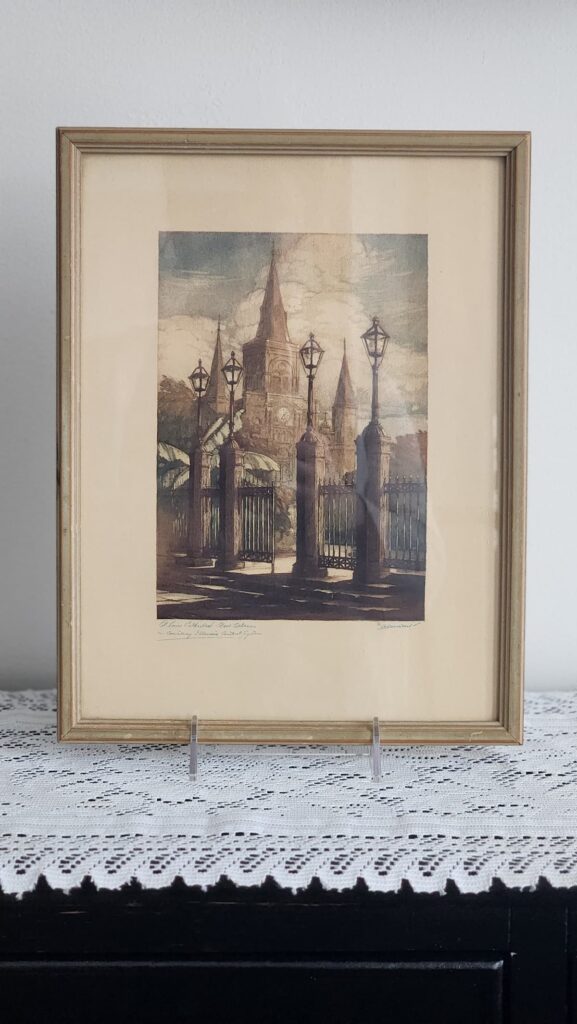
From My Shelves to Yours: Shop the Collection
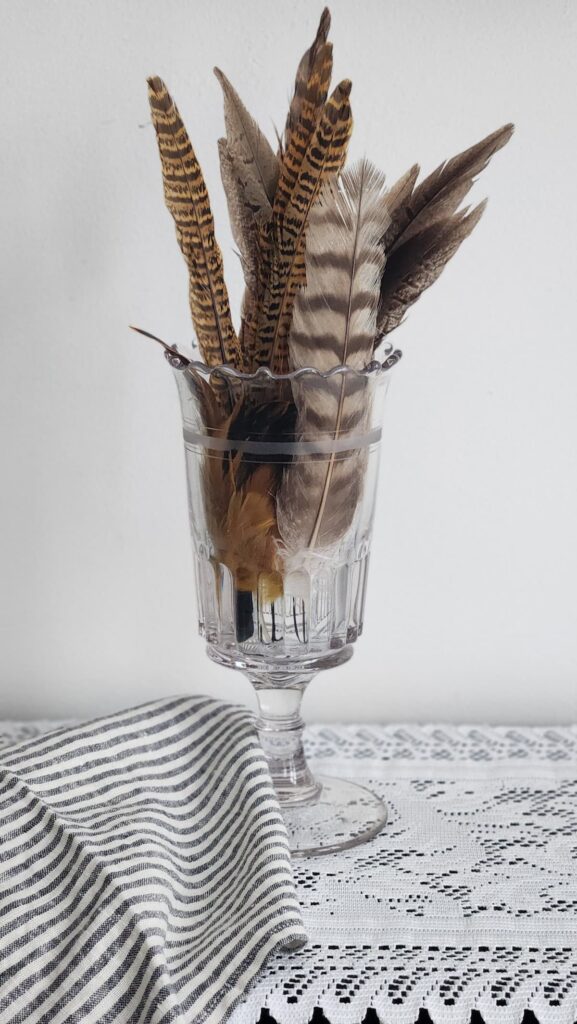
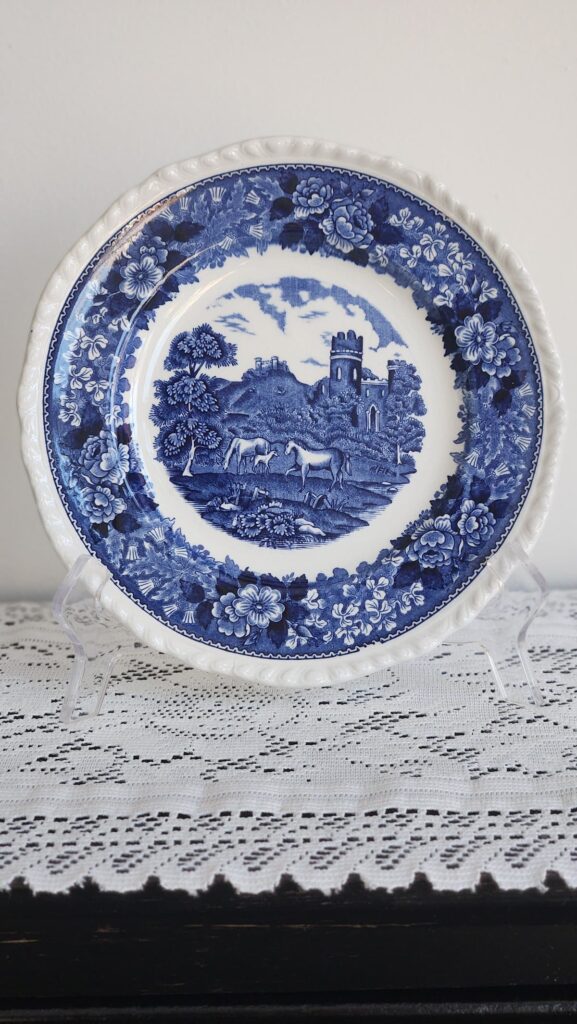
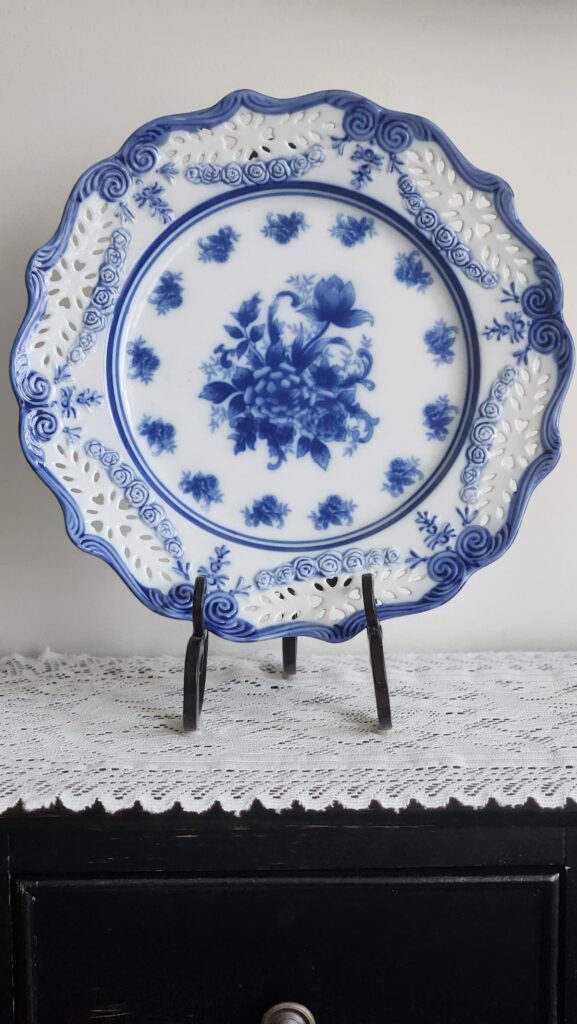
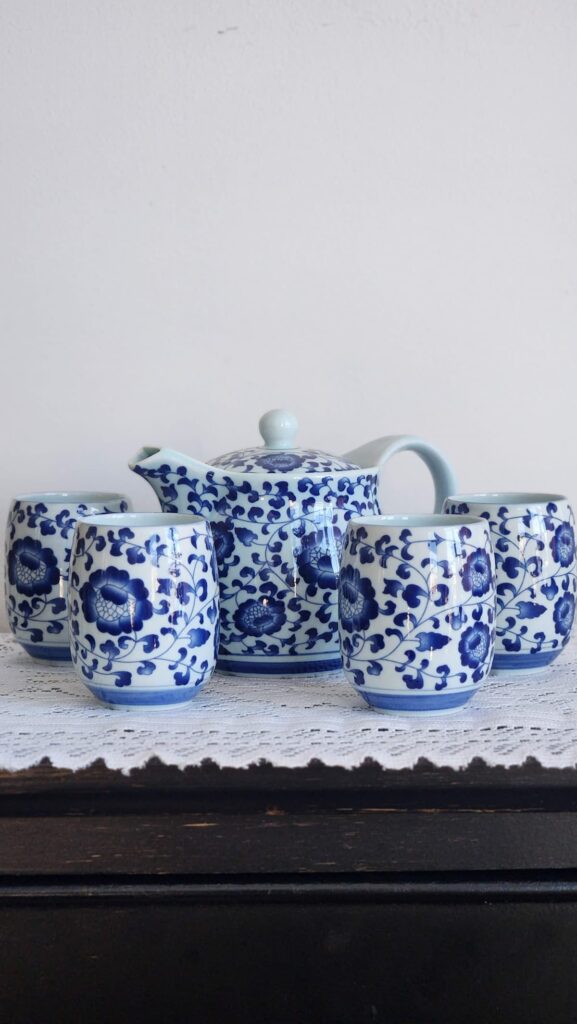
📚 Step 5: Create Vignettes, Not Perfection
A vignette is just a small, curated grouping of objects. It’s how you make a collected home feel intentional without being fussy. Think of it as creating a focal point that makes the room look more intentional.
How to style a simple vignette:
- Start with a tray or surface (a vintage tray, a stack of books, an old wooden coffee table, a wooden cutting board)
- Add height (a candle, a small vase, a bottle, or a unique light fixture)
- Add something organic (a plant, flowers, a bowl of fruit)
- Add a personal touch (a small photo, a found object, a handwritten note, or your favorite book)
Example vignette for a dining room:
- A vintage brass tray
- A white candle in a thrifted holder
- A small sprig of eucalyptus in a glass bottle
- A favorite book or postcard leaning against the candle
That’s it. Simple, personal, collected. This approach works whether you’re styling a dining room, bedroom, or entryway.
✨ Step 6: Let Go of Matching
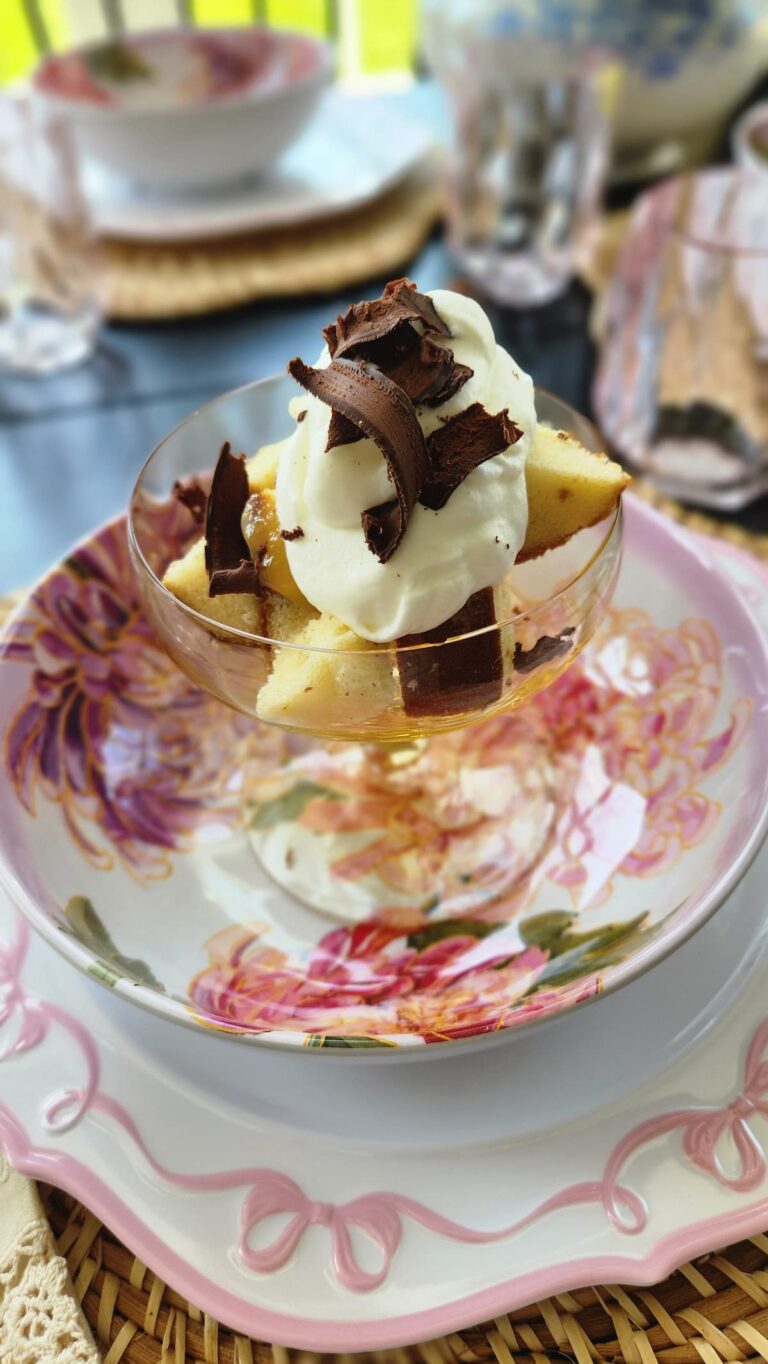
Matching is for catalogs. Collected homes are cohesive, not matchy-matchy. The goal is a cohesive look that still feels personal and layered—what many call a collected look.
What creates cohesion:
- A subtle color palette (even if it’s loose—think “warm neutrals” or “blues and whites”)
- Repeated materials (wood, brass, linen, ceramic)
- A shared vibe or feeling (cozy, airy, vintage, minimal)
Your mismatched vintage plates can live beautifully alongside modern glassware if they share a similar tone or texture. This is the essence of beloved design—it’s personal, not prescriptive.
Permission granted: You don’t need a full set of anything. Four different vintage teacups are more interesting than four identical ones. Mix new pieces with old freely.
🕯️ Step 7: Embrace Imperfection and Patina
Tarnish on silver? That’s character.
A chip in a vintage bowl? That’s history.
Worn edges on a wooden tray? That’s proof it was loved.
An antique door knocker with aged brass? That’s authenticity.
You don’t need to restore everything.
Part of the beauty of vintage items and antique pieces is their imperfection. They’ve lived a life before you. They have stories. Whether it’s architectural elements of an addition or small decorative objects, let the patina speak.
When to polish, when to leave it:
- Polish silver if you want the ritual and the shine (it’s meditative!)
- Leave patina if you love the aged, layered look
- Clean gently, but don’t try to make old things look new
Let your home show the passage of time. It’s more honest, more beautiful, and more you.
🏡 Your Collected Home Style, Your Way
Creating a collected home isn’t about following a formula or mimicking an interior designer‘s vision. It’s about trusting your instincts, using what you love, and letting your space evolve over time.
The collected home dazzles not because it’s perfect, but because it’s real. It’s filled with new items and old, pieces from different places, and objects that tell your story. Martha Stewart does collecting and thrifting the best. Here’s what she will be looking to collect for her home in 2026.
This is hands-on advice you can start using today:
Start small. Add slowly. Use what you have. Mix what you love.
Your home doesn’t need to look like anyone else’s. It just needs to feel like yours.
Ready to start collecting? Explore our vintage and antique finds, discover tea ware for daily rituals, or browse natural body care to bring gentle intention into your home.
Next in this series: How to build home rituals that ground you (tea time, simmer pots, and more).
Discover more stories about vintage treasures, tea rituals, gardening for tea lovers, home decorating inspiration, and seasonal recipes on the Hen and Horse Design blog.