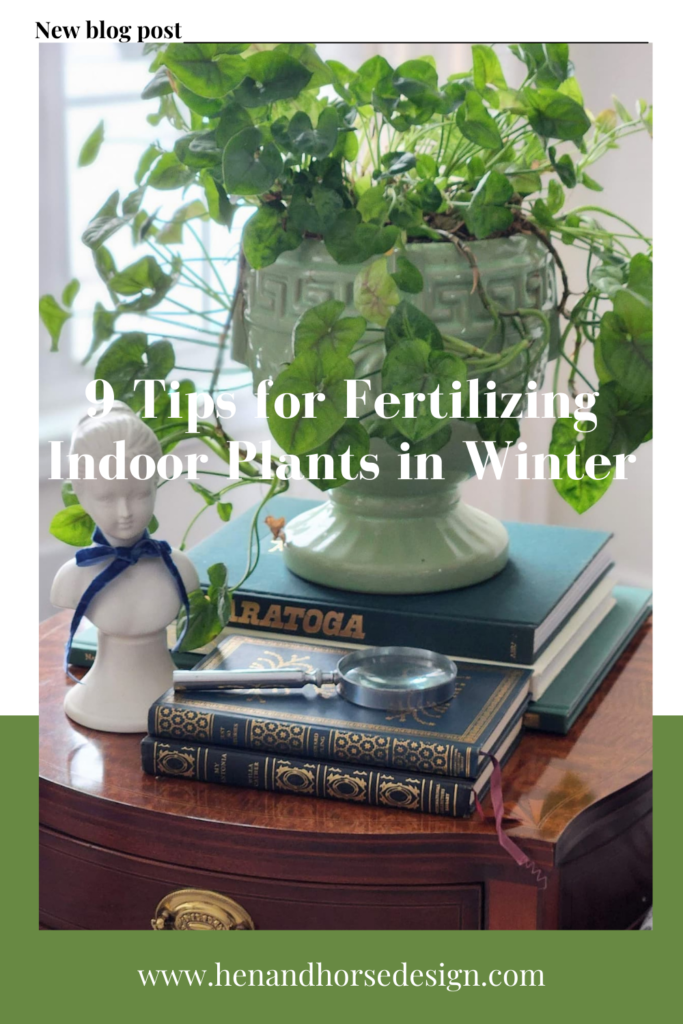
9 Tips for Fertilizing Indoor Plants in Winter
Okay, can we just talk about how much we need our house plants this time of year? Like truly need them. It’s grey outside, everything looks dead, and I am absolutely craving greenery. My home right now is basically being held together by my little plant crew — a bowl full of hyacinths sitting on the counter making everything smell amazing, my small leatherleaf fern, a big gorgeous snake plant in the corner, an african violet that I am slightly obsessed with, a china rose in white (swoon), my acorn peperomia, and my christmas cactus that just finished its whole show and is now just hanging out. Today, I’m going to share my 9 tips for fertlizing indoor plants in winter.
These plants are basically my winter therapy, and I want to keep every single one of them alive and happy. If you’ve been googling tips for fertilizing indoor plants in winter, you’ve come to the right place!
So here’s the thing — one of the most common questions I get from fellow houseplant parents is whether to keep fertilizing during the winter months.
Should you feed them?
Leave them alone?
The answer is a little of both, and these tips will walk you through exactly what to do. Let’s get started with 9 Tips for Fertilizing Indoor Plants in Winter.

TIP #1: Understand That Your Plants are Resting (and That’s a good thing)
Here’s the most important thing to know going into winter and — your indoor plants know it’s the colder months, even if they’re sitting inside your warm house. The daylight hours get shorter, the natural light coming through your windows gets weaker, and the dry air from your heating is just… a lot. Your plants pick up on all of that and naturally slow way down into a period of rest.
During this slower growth period, they’re not really in “eating mode.” They’re just maintaining. They don’t need much water, they don’t need much fertilizer — they just want to exist and honestly, same.
The general rule? When in doubt in winter, don’t fertilize. And don’t feel bad about it — this rest is actually really healthy for them.
TIP #2: Know Your Plants Because They All Have Different Needs
This is where it gets personal, because different plants truly have different needs in winter. Let me walk you through my little crew and what I’m actually doing with each of them right now
Fertilizing Indoor Plants in Winter – Common Household Plants
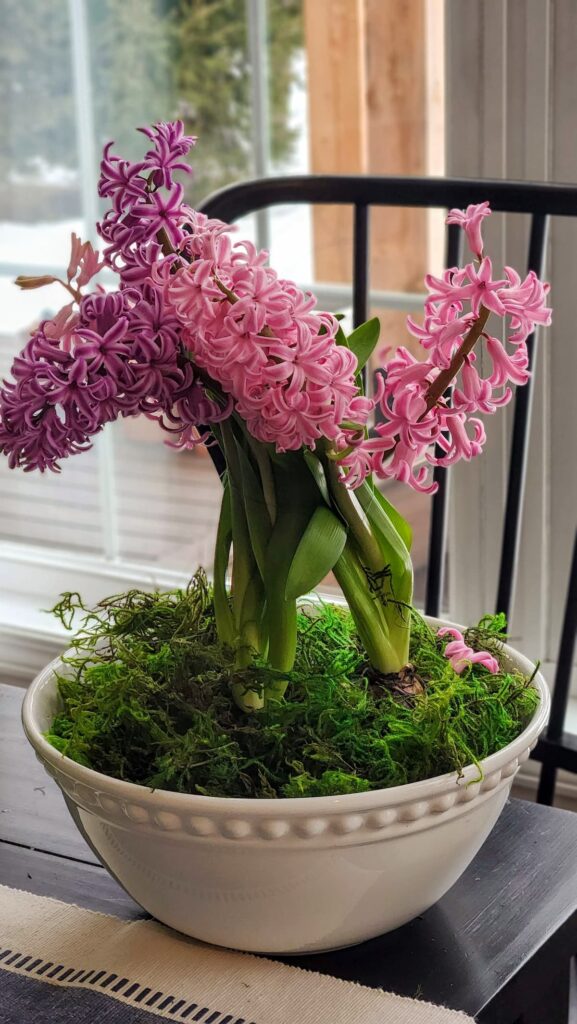
Hyacinths
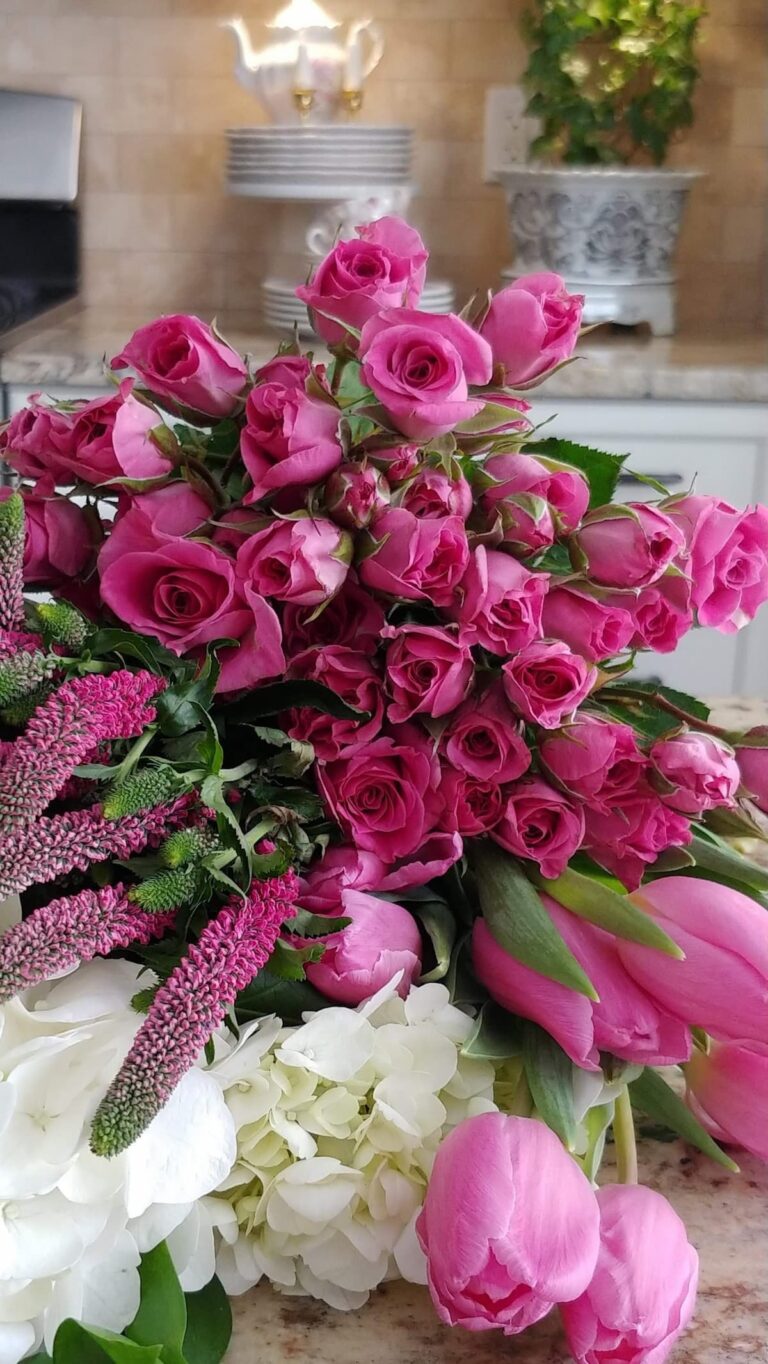
The hyacinths are in active bloom, which means they’re working hard — they do appreciate a small amount of diluted water-soluble fertilizer to support all that energy. Think of it as a snack, not a meal. Once they’re done blooming, they go dormant, and you pull way back.
Leatherleaf Fern
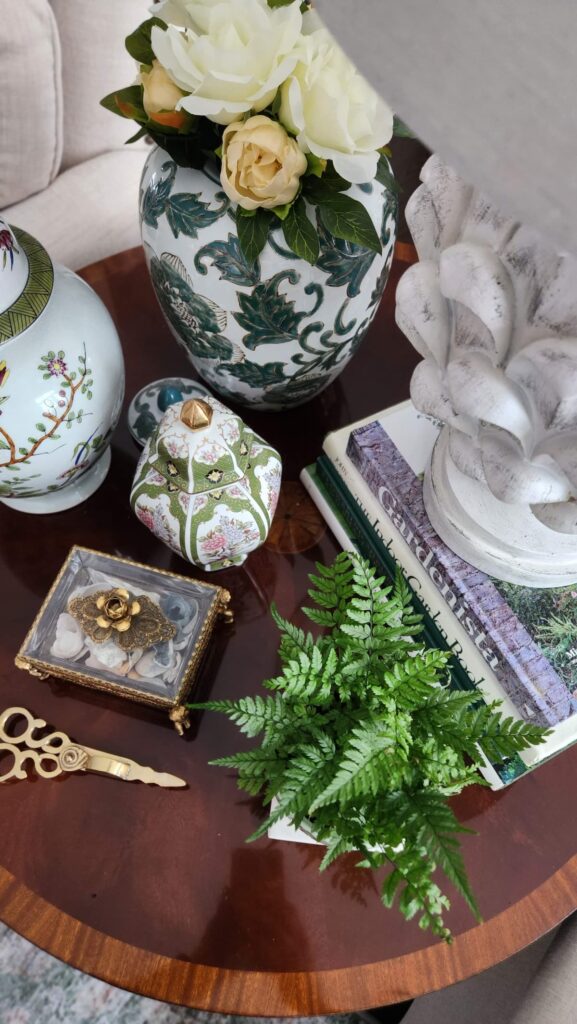
The leatherleaf fern loves humidity, and in winter, the dry air from heating really gets to it. I’m focusing more on keeping the humidity level up (a little tray of water near the pot helps, or group your plants together so they share water vapor) rather than fertilizing. No extra nutrients needed right now.
Snake Plant
The snake plant is one of the most forgiving common houseplants you can own. Low light? Fine. Dry air? No problem. It needs less water in winter and absolutely zero fertilizing until spring. If you’re worried about your snake plant — don’t be. Just back off and let it rest.

African Violet
My African violet is still blooming so I’m giving it a tiny amount of houseplant fertilizer made specifically for flowering plants. African violets are delicate plants with different needs than your leafy green houseplants. Less is so much more here — if you see yellowing leaf margins, that’s usually too much fertilizer or salt buildup.

China Rose
The china rose in white — oh she is beautiful, and I am just keeping her in the best natural light spot I can find right now. No fertilizing during the colder months for her.
I popped her in this pretty urn and cannot wait to plant her in my garden out back.

TIP #3: Stop Fertilizing If Your Plant Isn’t Actively Growing
If you dump fertilizer on a resting plant, it simply can’t use it. Those extra nutrients just sit in the potting soil, build up into too much salt, and can burn the roots of the plant or cause root rot. Not good.
The bad news is that a lot of us have been doing this without realizing it. The good news is it’s an easy fix — just stop! Hold off on fertilizing through the winter months, and you’ll actually be doing your plants a favour.
The only exception is if a plant is clearly still pushing out new leaves — maybe it’s sitting right under a grow light or in a really sunny window. In that case, a tiny amount of diluted fertilizer is okay. But still go easy.
Acorn Pereromia
The acorn peperomia is a tropical plant at heart, and tropical plants really do slow down in winter. Mine is in a bright spot, and I’m watering with less water than usual. No fertilizer until I see new growth in early spring.

TIP #4: Use The Right Fertilizer When You Do Feed
When the time is right to fertilize, the type of fertilizer you choose really does matter. Here’s what I reach for and why:
Liquid fertilizers are my favourite for house plants because they work quickly and you can easily control how much you’re giving. You dilute them in water and feed your plants as you normally would water them.
Organic fertilizers like fish emulsion or liquid kelp are wonderfully gentle options — much more so than synthetic fertilizers or chemical fertilizer options. Made from natural ingredients, they release slowly, which is exactly what you want especially during the slower growth months. I love these for my tropical houseplants.
Water-soluble fertilizer in powder form is another great option — similar to liquid but easier to store. Just dissolve in water, and you’re good to go.
Whatever you choose, always read the fertilizer label. More is not more when it comes to fertilizing your indoor plants.
Christmas Cactus
The Christmas cactus just finished blooming (did yours too?!) and now it genuinely needs a break. No fertilizing at all — just occasional watering and a whole lot of leaving it alone.
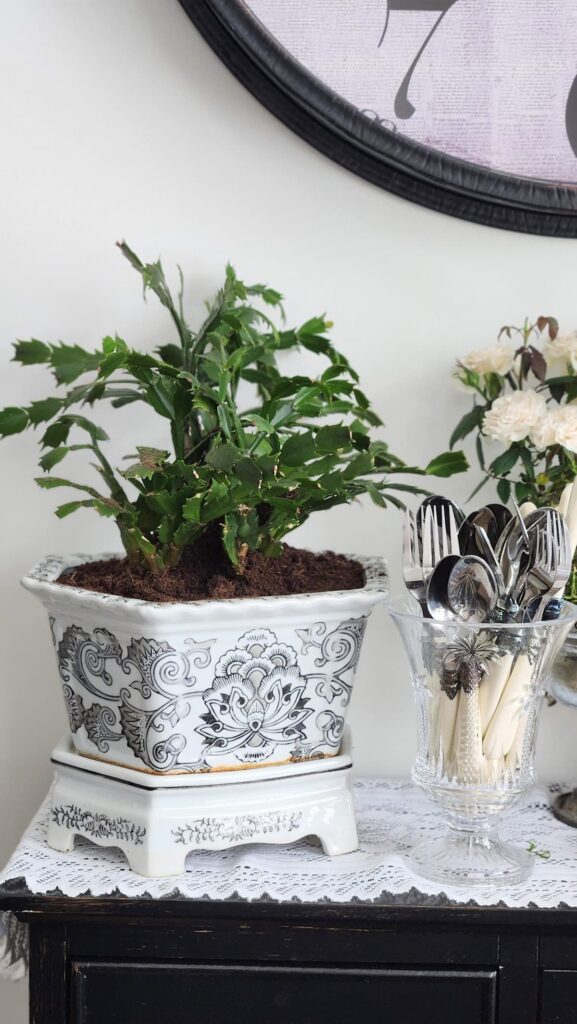
I recently repotted my Christmas cactus into a larger chinoserie planter. I found this planter several years ago at Home Goods and regret not taking home two of them. I’ve yet to find one similiar.
Shop the Post


TIP #5: Always Dilute More Than You Think You Need To
This one is so important and honestly the tip I wish someone had told me sooner. During the winter months — even if your plant is still growing a little — go with half the strength that the fertilizer label recommends. Seriously, half.
Your plants just can’t handle much fertilizer when they’re in a slower growth period. Large amounts of fertilizer on a plant that isn’t actively growing is one of the fastest ways to cause damage. Smaller amounts, less often, is always the better approach in the colder months.
TIP #6: Water First, Fertilize Second
Always water your plant before you fertilize — never apply fertilizer to dry potting soil. It can shock and burn the plant roots, and that’s the last thing we want.
Also make sure there’s good drainage at the bottom of the pot. Excess water needs somewhere to go and good drainage stops salt from building up in your potting mix over time. If you notice a white crusty residue on top of your potting soil, that’s salt buildup and it’s a sign to flush the soil with plain water before fertilizing again.
TIP #7: Watch For Signs That Your Plant Is Struggling
Even with the best intentions, winter can be tough on indoor plants. Here’s what to keep an eye out for:
Yellowing leaf margins or brown tips — often a sign of too much fertilizer or salt buildup in the potting soil.
Spider mites — dry air in winter is basically a welcome mat for pests. Check under the leaves regularly. Healthy, well-rested plants fight back better, so keeping up with pest control is part of good plant care this time of year.
Root rot — if roots look mushy and sad, pull back on both water and fertilizer immediately. Too much water plus too much fertilizer on a resting plant is a recipe for trouble.
Slower growth — totally normal in winter! Don’t panic and don’t try to fix it with more fertilizer. Just let your plant do its thing.
TIP #8: Know When To Start Fertilizing Again
This is honestly my favourite tip because it means spring is coming! The best time to start fertilizing again is when you see new leaves pushing out — usually around early March, end of March at the latest depending on your light situation.
That new growth is your plant waving at you and saying “I’m awake, I’m hungry, let’s go!” That’s your green light. Once the growing season kicks back in through the summer months and into early fall, your plants will genuinely benefit from regular feeding and you will notice the difference — more new growth, lusher leaves, happier plants all round.
Until then? Let them rest. They’ve earned it.
Many of the plants I purchase are from Proven Winners. They have a large variety of both indoor and outdoor plants. If you are looking for plants for a specific zone, check them out.
TIP #9: Don’t Forget To Actually Enjoy Them
This might sound silly but hear me out — sometimes we get so in our heads about doing everything right that we forget to just sit back and enjoy the little green crew we’ve got going on.
Winter is the perfect time for that, honestly. Pour yourself a tea (or coffee, no judgment here!) and just hang out with your plants for a minute. Notice when your African violet sneaks out a new bloom. Get a little too excited when your peperomia does something new — we’ve all been there. Move your hyacinths to whatever room you’re in so you can smell them all day, because honestly, they smell incredible, and you deserve that.
You don’t have to be a perfect houseplant parent. You just have to show up and enjoy them a little. The fact that you’re even here reading this means you’re already doing great, friend. 🌿
These are my best tips for fertilizing indoor plants in winter and I promise it’s simpler than you think.
Important Takeaway For Fertilizing Indoor Plants in Winter
The most important thing to take away from all of my 9 Tips for Fertilizing Indoor Plants in Winter is that your plants are tougher than you think. The best way to keep them happy in winter is to pay attention to them, give them as much natural light as you can, and resist the urge to over-fertilize. They will absolutely reward you for it come spring, I promise. 🌿
You’ll want to bookmark this post — these tips for fertilizing indoor plants in winter are ones you’ll come back to every year.
If you’ve been curious about using tea as a natural fertilizer for your plants (yes, really!), go check out these posts:
- Is Tea Good for Plants? How to Use Tea Leaves as Fertilizer
- Tea for Plants: What You Need to Know
- Which Plants Don’t Like Tea Leaves?
Tell me — which plants are getting you through this winter? Drop a comment below, I genuinely want to know! And if you want posts like this sent straight to your inbox, pop your email address in below. No spam, just plants and pretty things.